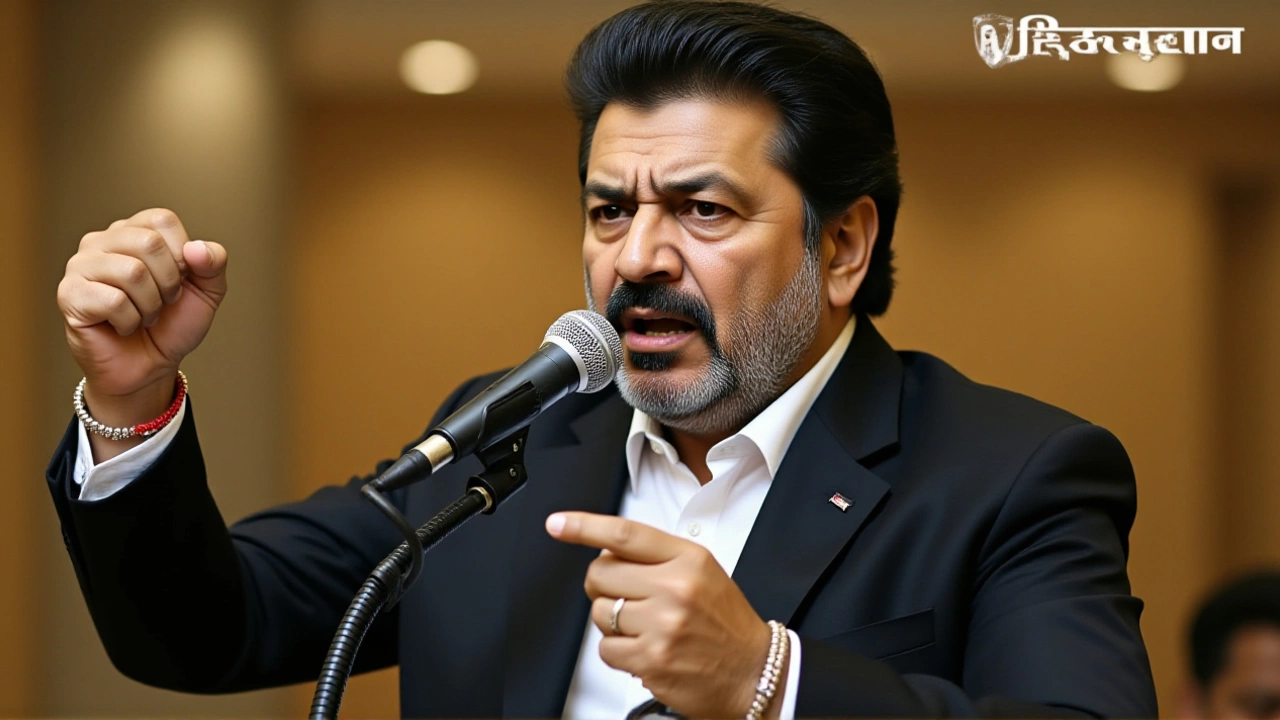
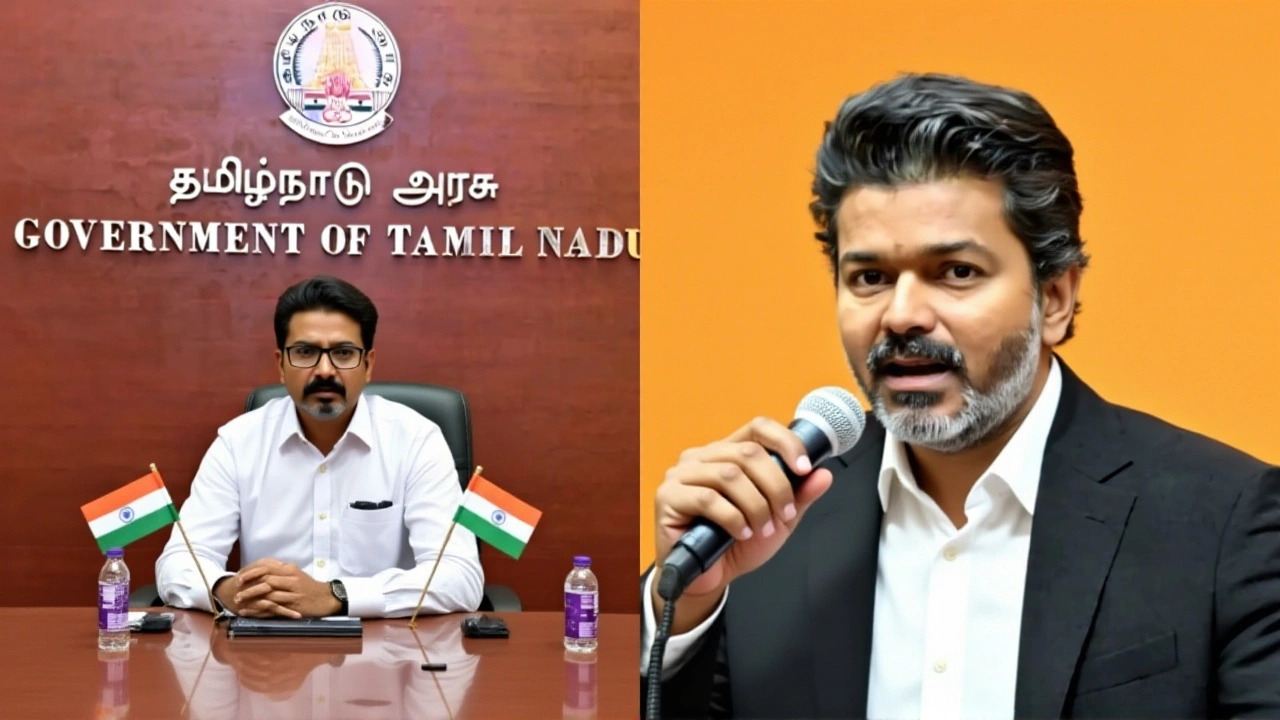
When Vijay, the Chief Minister of Tamil Nadu, unveiled a massive agricultural debt relief package this Monday, he claimed to have fulfilled one of his most significant election promises. The announcement, made during a high-level review meeting in Chennai, targets over 1.42 million small and marginal farmers, offering them full or partial waivers on loans taken from cooperative banks.
But here’s the twist: despite the government hailing this as a victory for rural India, frustration is brewing among farming communities. While the numbers look impressive on paper—covering roughly 84% of the state’s 1.69 million indebted farmers—the fine print reveals a complex, graded system that has left many feeling short-changed.
The Graded System: Who Gets What?
The core of the controversy lies in how the waiver is structured. Instead of a blanket cancellation, the Tamizhaga Vetri Kazhagam (TVK) government has implemented a tiered approach based on outstanding loan amounts. This isn’t just about politics; it’s about fiscal reality, with the scheme estimated to cost the state exchequer over ₹2,044 crore.
Here’s how the breakdown works:
- Loans under ₹50,000: Full waiver. These farmers walk away debt-free.
- Loans up to ₹50,000 (for other categories): 50% discount. They pay half, the state covers the rest.
- ₹50,001 to ₹60,000: ₹40,000 waived.
- ₹60,001 to ₹70,000: ₹30,000 waived.
- ₹70,001 to ₹80,000: ₹20,000 waived.
- ₹80,001 to ₹1,00,000: ₹10,000 waived.
- Above ₹1,00,000: A flat ₹5,000 waiver.
The logic? Protect those most vulnerable while managing state finances. But for a farmer drowning in lakhs of rupees of debt, a ₹5,000 break feels less like relief and more like an insult.
Why Are Farmers Angry?
You’d think anyone getting money off their bill would be happy. So why the backlash? It comes down to two main shifts in policy that caught many by surprise.
First, the eligibility criteria changed. Earlier expectations—and some initial announcements—suggested a land-based limit, specifically targeting farmers with up to 5 acres. The final scheme ditched the acreage metric entirely, replacing it with a strict loan ceiling of ₹50,000 for full benefits. This shift means that larger landholders who might have expected support are now excluded from the top tier of relief.
Second, and perhaps more stinging, is the disparity in relief. C.T. Nirmalkumar, a senior minister in the TVK cabinet, defended the move as fulfilling a core campaign pledge. Yet, farmers with debts exceeding ₹1 lakh receive only a token ₹5,000 reduction. For someone owing ₹5 lakh, that’s a mere 1% cut. It’s a drop in the ocean.
"The details are still unclear for many," admits one local agri-expert, noting that confusion over which specific cooperative bank loans qualify has added to the anxiety. The scheme strictly applies to loans taken between May 1, 2025, and February 28, 2026, from cooperative banks. Loans from commercial banks or outside this window are ignored, leaving approximately 2.7 lakh farmers out in the cold.
Political Context: From Actor to Administrator
This decision marks a critical early test for Vijay, who transitioned from Bollywood stardom to leading the TVK party into power. His rise was meteoric, fueled by populist promises aimed at the agrarian sector. By announcing this waiver so quickly after taking office, he’s signaling that he intends to keep his word.
However, governing is different from campaigning. The financial burden of ₹2,044 crore is substantial. Critics argue that the graded system exposes the limits of populist economics. You can’t please everyone when the treasury is finite. The government argues that prioritizing small and marginal farmers—who constitute the bulk of the agricultural workforce—is both ethical and economically sound.
Yet, the anger suggests that the communication gap was wide. Farmers felt led to believe in broader relief. When reality sets in, the disappointment is sharp. It’s a classic case of political promise versus administrative constraint.
What’s Next for Tamil Nadu’s Agrarian Sector?
The immediate future involves implementation chaos. Banks will need to verify millions of accounts against the May 2025–February 2026 window. Expect delays, errors, and further protests if the process isn’t transparent.
Longer term, this sets a precedent. Will other states adopt similar graded models? Or will they face pressure to offer blanket waivers, risking their own fiscal health? Tamil Nadu’s experiment is being watched closely across India.
For now, the mood in the fields is mixed. Some smallholders are relieved. Others are planning rallies. And Vijay has his work cut out for him to bridge the gap between his promise and their perception.
Frequently Asked Questions
Who exactly qualifies for the loan waiver?
Only farmers who took agricultural loans from cooperative banks between May 1, 2025, and February 28, 2026, are eligible. Commercial bank loans are excluded. The benefit is tiered based on the outstanding amount, with full waivers for debts under ₹50,000.
Why are farmers protesting if they are getting debt relief?
Many farmers are upset because the relief is minimal for large debts. Those owing over ₹1 lakh get only ₹5,000 off. Additionally, the shift from a land-based criterion (5 acres) to a loan-amount cap has confused and disappointed those who expected broader coverage.
How much will this scheme cost the Tamil Nadu government?
The estimated financial burden on the state exchequer is over ₹2,044 crore. This figure reflects the total value of waivers provided to approximately 1.42 million beneficiaries under the graded system.
Are all farmers in Tamil Nadu covered by this plan?
No. Out of roughly 1.69 million farmers with cooperative bank loans, only 1.42 million are covered. About 2.7 lakh farmers are excluded, likely due to loans falling outside the specified date range or being held with non-cooperative institutions.